The brewing of Playa del Carmen beers is an experience that combines a passion for craft beer with the rich local culture and the challenge of brewing in a place with intense Caribbean heat; Join us on this cultural tour we took with Alex Cárdenas, Master Brewer at Chela de Playa, and Gabriel Agustín Garay Opaso, CEO of Visibles.World, where we explore the secrets of beer brewing—from ingredients to the fermentation process—with one of the most popular breweries in the Riviera Maya, Mexico.
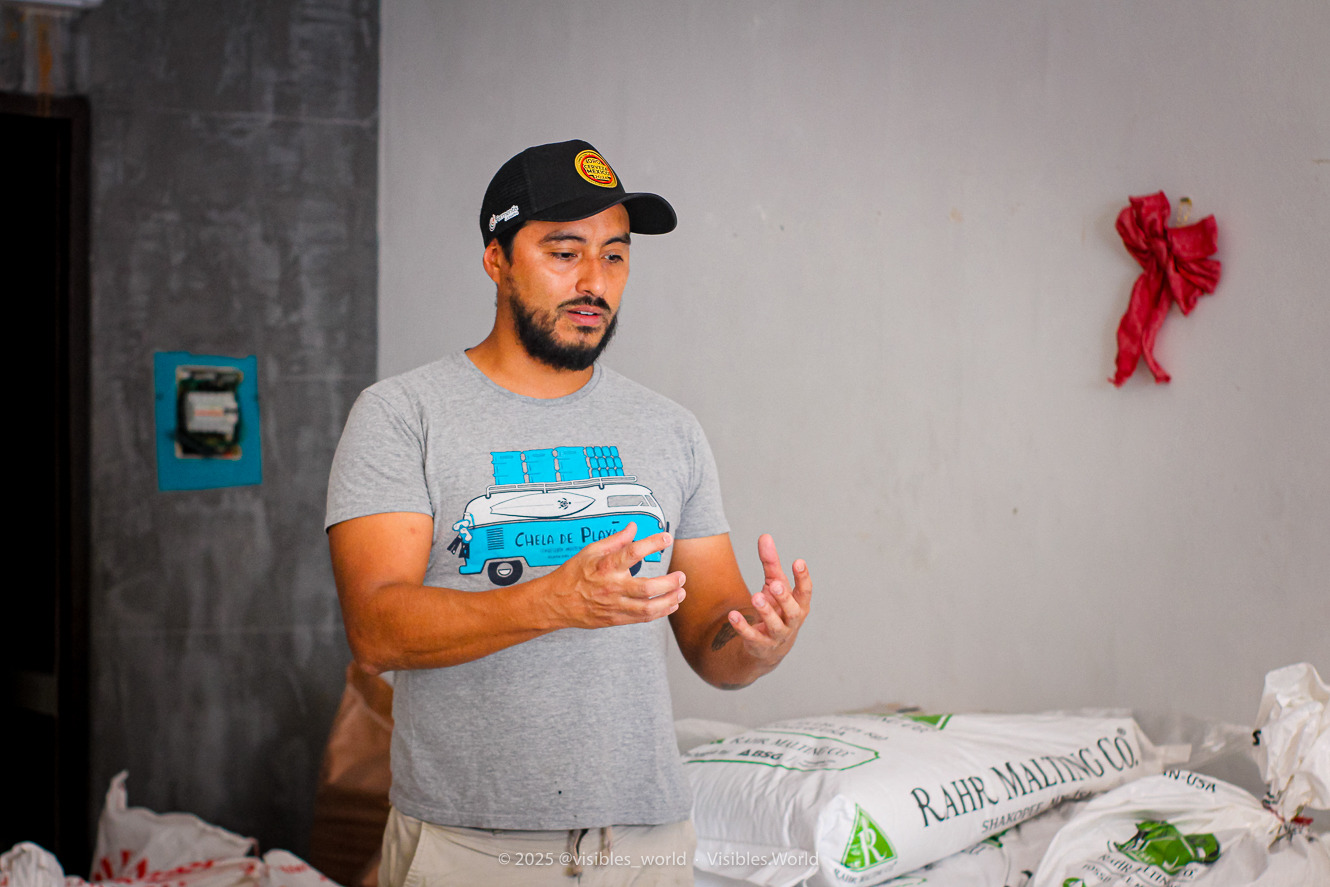
Table of Contents
- Introduction to Beer
- Beer Styles
- The Importance of Water
- Basic Beer Ingredients
- The Mashing Process
- The Role of Hops
- Yeast and Its Function
- Bottling Beer
- Beer and Gastronomy
- Breweries in Playa del Carmen
- The Impact of Tourism on Beer
- Beer Culture in Mexico
- Collaborations and Brewing Communities
- Frequently Asked Questions
Introduction to Beer
Beer, that golden beverage that has accompanied humanity throughout history, is much more than just a refreshing drink. It is an art, a science, and a tradition dating back thousands of years. From the ancient Sumerians and pre-Hispanic cultures in Latin America to today’s craft brewers around the world, beer has evolved, adapting to the tastes and cultures of each era. On this tour of the brewery in Playa del Carmen, visitors have the opportunity to immerse themselves in this fascinating world, where every sip not only tells a story but also fosters a connection among people united by a common passion: craft beer made in the Mexican Caribbean.
A Sensory Journey
During the tour, participants not only taste different beers but also learn about the brewing techniques and secrets that make each style unique. The passion of both Alejandro Lira (founder of the brewery) and Álex Cárdenas, as well as the entire brewery team, is reflected in every type of beer, and visitors are invited to explore the diversity of flavors offered by this ancient beverage, which in pre-Hispanic Mexico was associated with pulque.
Beer Styles
The variety of beer styles is astonishing. From light and refreshing lagers, to hoppy American ales, to robust stouts and porters, there is something for every palate. Each style has its own personality, influenced by the ingredients used and the brewing process. Beer is not just a drink; it is an experience that invites exploration.
Classification by Color
- Lager: Light and easy to drink, perfect for warm weather.
- Hoppy Beers: Special for those who want a bitter character and a “citrusy, piney, and fruity” hop flavor.
- Dark Beers: Rich in flavor, with notes of coffee and chocolate that delight lovers of intense flavors; Alex told us that during the “Caribbean winter,” dark beers like Porter and Coco Porter are more popular.
Regional Influences Around the World
Every region of the world has its own brewing traditions. For example, the Pilsner style, originating in the Czech Republic, has left its mark on the way beers are brewed around the world. The history of beer is full of cultural influences and adaptations that have given rise to a rich diversity of options; Belgian culture has also contributed with its famous beers; at this link you can see how the diplomatic community celebrates King’s Day (Belgium’s National Day) in Santiago, Chile.
The Importance of Water
Water is one of the four essential ingredients in beer brewing, but its quality and composition are critical. Each region has its own water source, which influences the beer’s final flavor. On the tour of the brewery in Playa del Carmen, we explore how local brewers manage water quality to create exceptional beers.; Alex told us that brewing beer in Caribbean environments is quite a challenge, since the water has more minerals and is harder than in other regions of Mexico.
Water as a Key Ingredient
Water not only acts as a vehicle for the other ingredients, but its mineral content can enhance or mellow flavors. “The water from each region is the only ingredient that isn’t brought in,” noted the Master Brewer. This means that each brewery works with the natural resources at hand, adapting their recipes to bring out the best in their environment.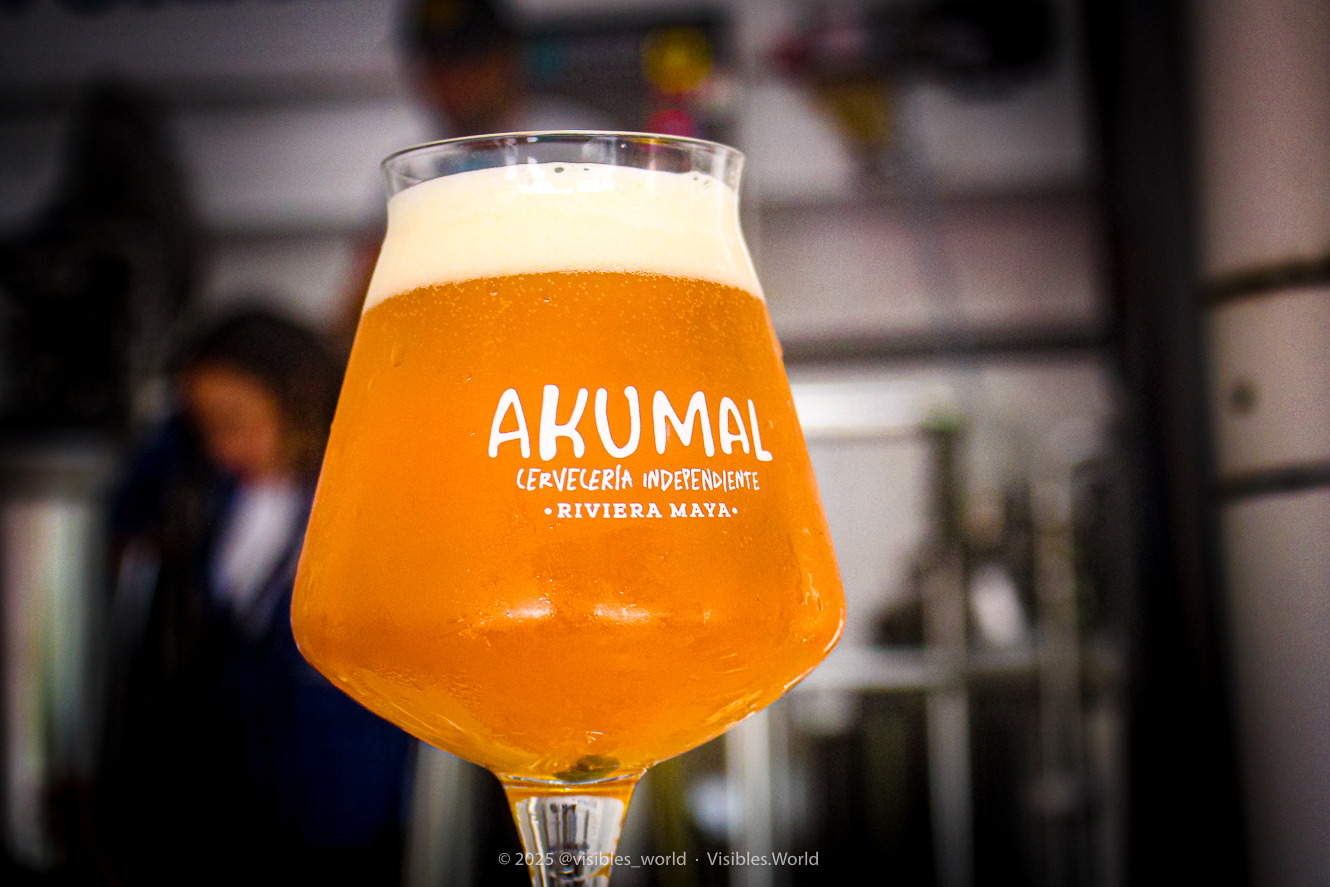
Basic Ingredients of Beer
Beer is brewed from four main ingredients: water, malted barley, hops, and yeast. Each of these components plays a crucial role in the brewing process, and their quality can significantly affect the final product.
The Four Pillars of Beer
- Water: The foundation of beer, which varies in mineral composition depending on the region.
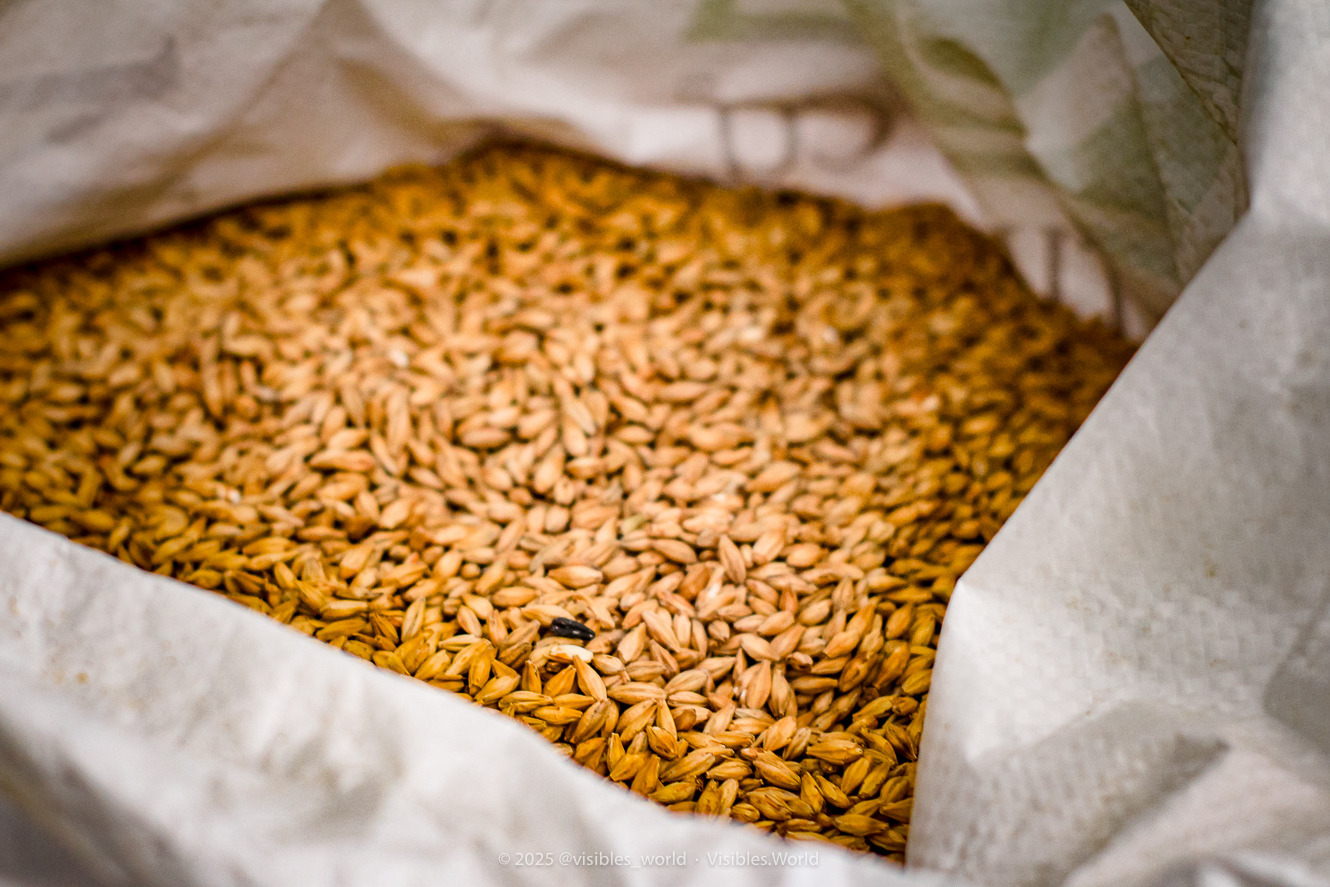
- Malted Barley: Provides the sugars necessary for fermentation.
- Hops: Add bitterness and aroma, balancing the malt’s sweetness.
- Yeast: The engine of fermentation, transforming sugars into alcohol and carbon dioxide.
The Malting Process
Malting is an important step in beer production, where barley is converted into malt. This process not only activates the enzymes that convert starch into fermentable sugars, but also develops the unique flavors and colors of each beer style.
An Evolving Art: The Mashing Process.
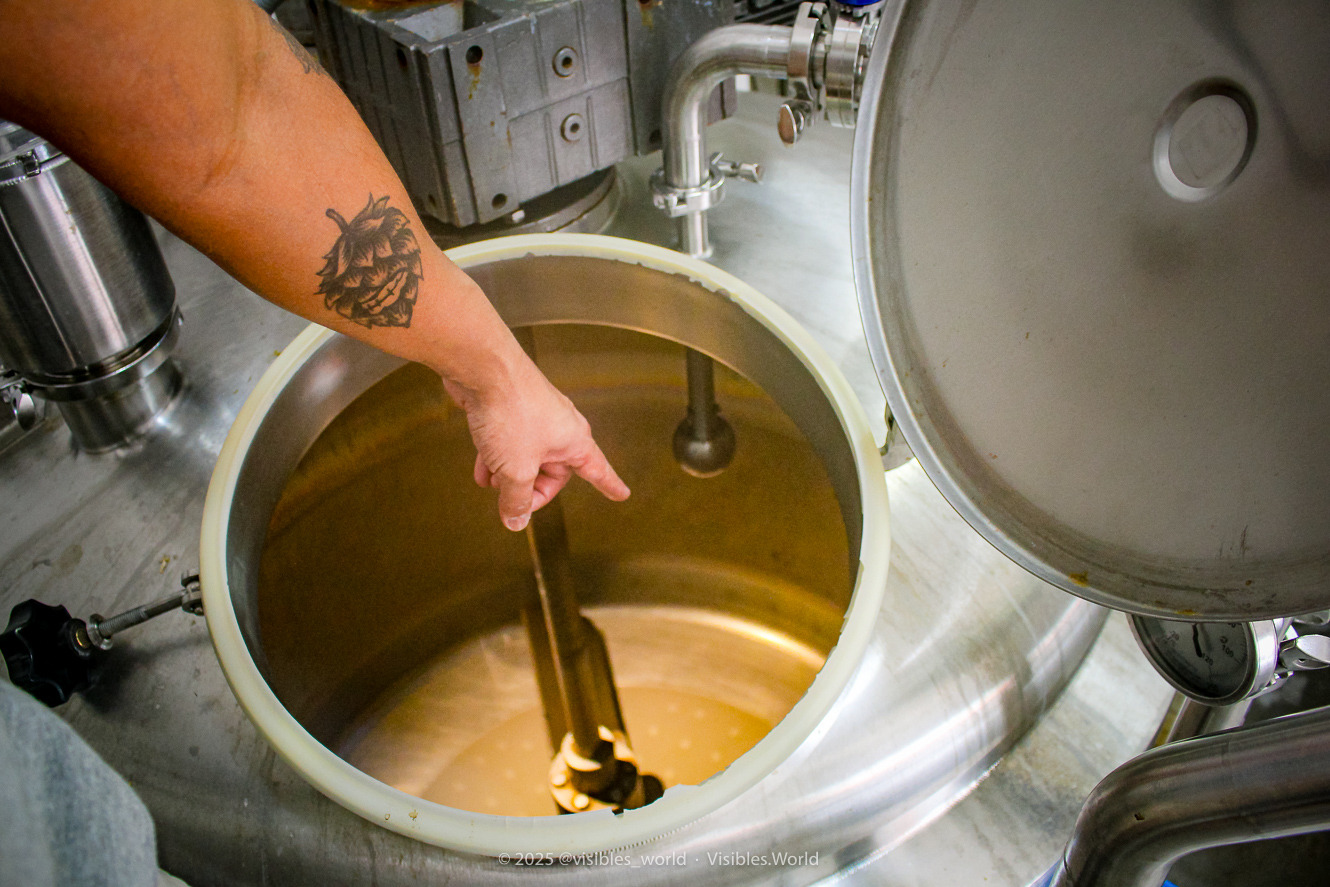
The mashing process is a crucial step in brewing, where malted barley and hot water are combined. During this stage, the enzymes present in the barley begin to break down the starches into fermentable sugars, which will form the basis for alcohol production during fermentation. This process takes place in a vessel called a mash tun, where temperature and time are carefully controlled. Generally, temperatures are maintained between 60 and 70 degrees Celsius for approximately one hour.
Mashing not only extracts sugars but also influences the beer’s flavor and body. Different mashing temperatures and times can result in unique flavor profiles, allowing brewers to experiment with various styles. For example, mashing at lower temperatures can result in a lighter, more refreshing beer, while mashing at higher temperatures tends to produce more robust, full-bodied beers.
Once the mashing is complete, the next step is filtration, where the sugary liquid, known as wort, is separated from the remaining solids, which are discarded or reused in other processes. This wort is then boiled, and hops and other ingredients are added, continuing the journey toward creating a delicious craft beer.
The Role of Hops
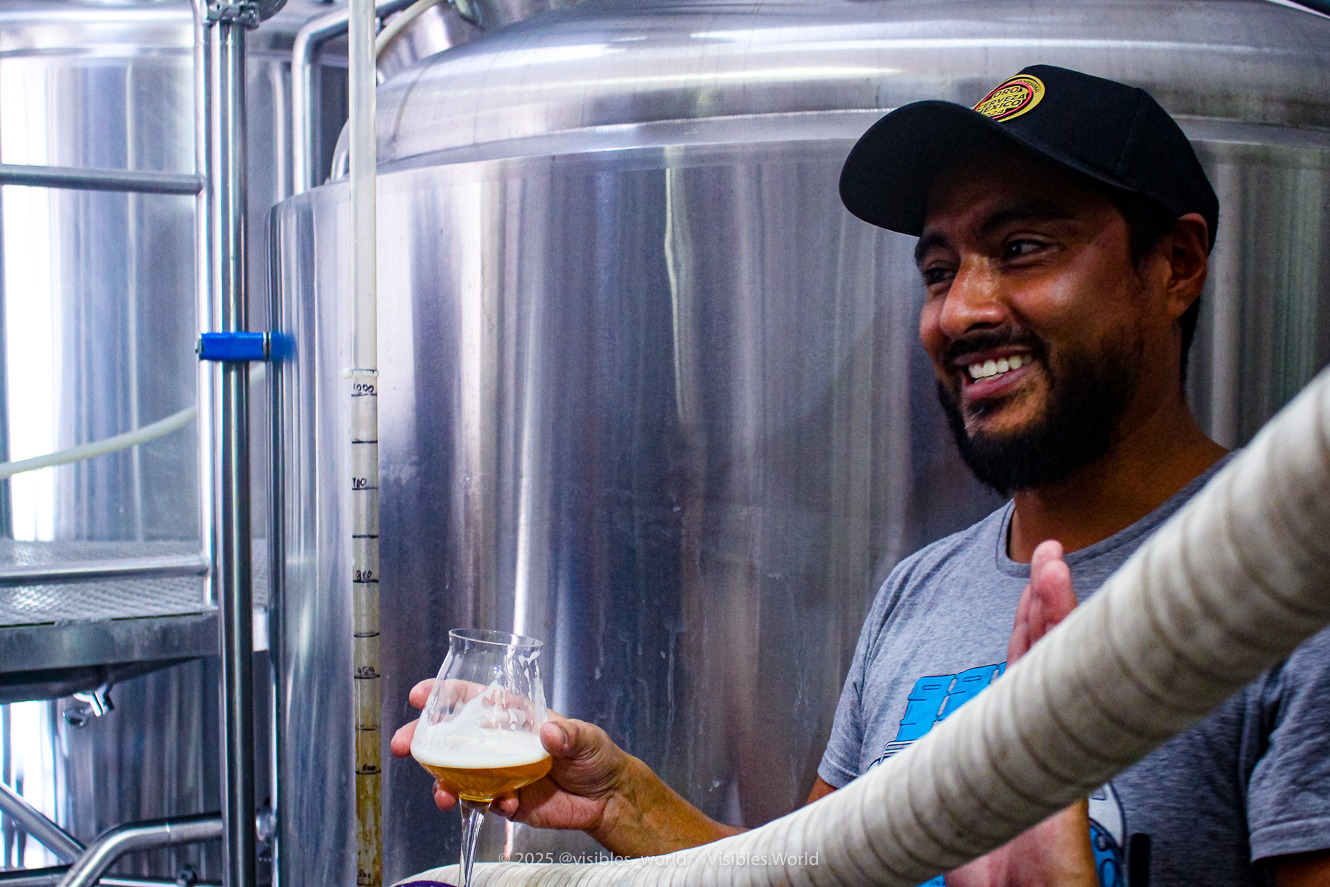
Hops are one of those magical ingredients that transform a simple mixture of water, malt, and yeast into a memorable beer. This small green cone not only provides bitterness but also adds aromas and flavors that can range from floral to citrusy, creating a unique sensory experience.
Bitterness and Aroma
Hops act as a balancer for the malt’s sweetness. “They’re what give it the bitterness and aroma, which can range from a hint of pine to tropical fruits,” explains one of the brewers. Their main function is to preserve the beer, acting as a natural preservative.
Hop Additions
- Bitterness Addition: Hops are added for bitterness primarily at the start of the boiling process. In this phase, the goal is to extract the bitter compounds from the hops, known as alpha acids, which are responsible for the characteristic flavor of many beers. The longer the hops are boiled, the higher the bitterness level will be, which can balance the malt’s sweetness and create a more complex flavor profile. It is essential to find the right balance between bitterness and sweetness to produce a well-balanced beer.
- Flavor Hops: The addition of hops for flavor takes place during intermediate stages of the boiling process. Here, the focus is on highlighting the hops’ flavors, which can range from earthy and herbal notes to more fruity and citrusy flavors. This addition is typically made in the final minutes of the boil to preserve the aromatic and flavor compounds, without allowing them to become bitter. This adds an extra dimension to the beer, enriching its flavor profile and making every sip a unique experience.
- Aroma addition: Hops are added for aroma at the end of the boiling process or even after the beer has been cooled, in a technique known as "dry hopping." This method allows the essential oils in the hops to integrate into the beer without losing their volatile aromas. Aromas can vary dramatically depending on the type of hops used, ranging from floral fragrances to tropical or citrus notes. This addition is extremely important for beers that aim to stand out for their aromatic bouquet, offering the drinker a sensory experience that complements the beer’s flavor.
Yeast and Its Role
Yeast is one of the heroes of beer brewing. This microorganism transforms the sugars present in the malt into alcohol and carbon dioxide. Without yeast, there would be no beer, and the choice of yeast can make the difference between a crisp lager and a robust stout.
Types of Yeast
There are two main types of yeast used in brewing: top-fermenting and bottom-fermenting yeast. “Each type of yeast gives the beer its character, from light and fruity to darker and more complex,” says one of the experts.
The Fermentation Process
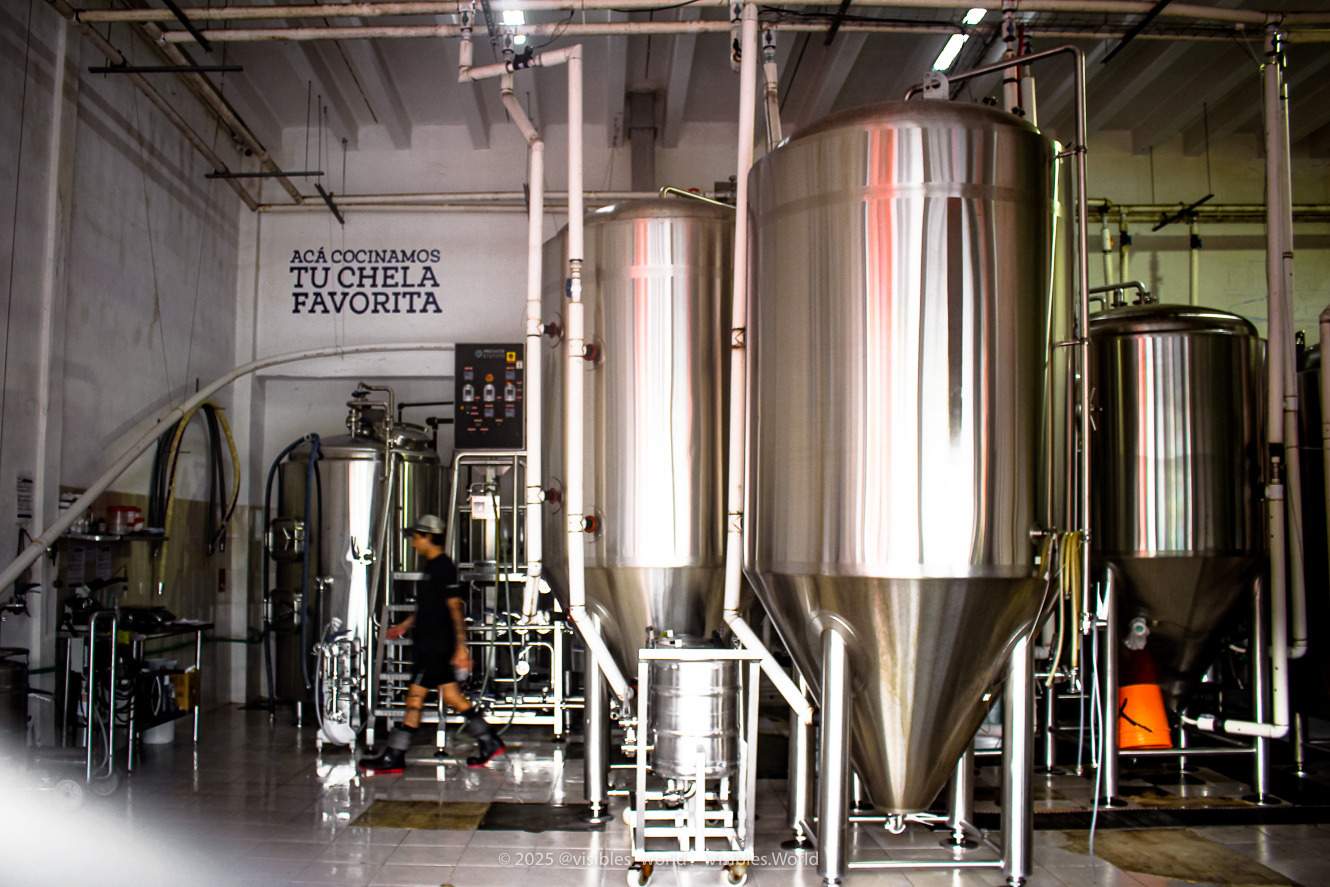
Fermentation is where the magic really happens. During this process, the yeast consumes the sugars and produces alcohol and carbonation. This is the moment when the beer begins to take shape, and patience is key.
Stages of Fermentation
- Primary Fermentation: The yeast begins to work, and the beer bubbles vigorously.
- Secondary Fermentation: The beer is transferred to another container to clarify and develop flavors.
Bottling the Beer
Once fermentation is complete, it’s time to bottle. This step is important for preserving the beer’s freshness and flavors. From bottles to kegs, each option has its own impact on the consumer experience.
Bottling Options
- Bottles: Commonly used in other states of Mexico, they allow the beer to be stored well and enjoyed anywhere.
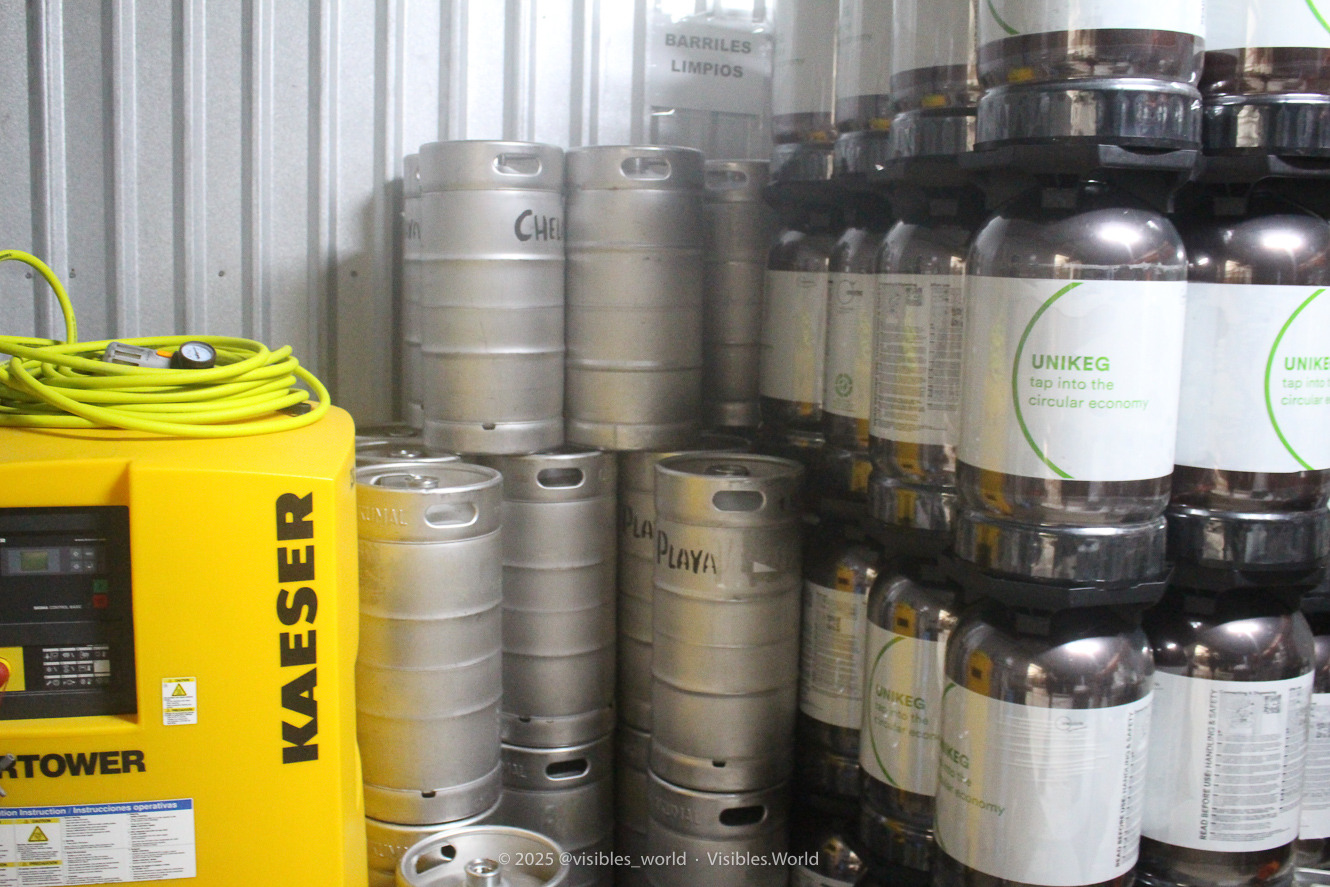
- Kegs: Perfect for events and festivals, they add a special touch to the drinking experience and go directly to bars, ensuring the perfect flavor straight from the brewery.
- Cans: Very popular in the Riviera Maya and the Mexican Caribbean; they offer a lightweight, practical, and easy-to-carry option.

Beer and Gastronomy
Beer is not just a drink; it is an ideal accompaniment to food. On this other Playa del Carmen beer tour, participants are invited to explore pairings that enhance both the food and the beer. “Beer can completely transform the experience of a dish,” said Álex Cárdenas, Master Brewer at Fábrica Chela de Playa.
Suggested Pairings
- Light Beers: Pair well with seafood and fresh salads.
- Dark Beers: They perfectly complement chocolate desserts and smoked meats.
- Amber Beers: Ideal for spicy dishes, such as beef tacos.
Special Celebrations
During celebrations like Mexico’s National Independence Day and other traditional Mexican festivals, beer can be the perfect drink to enjoy while spending time with family, friends, and coworkers. Plus, a good beer paired with good conversation among loved ones is key to creating a harmonious atmosphere.
So, whether you’re enjoying a beer on the beach or at a special dinner, remember that every sip of beer you take anywhere in the world tells a story.
Breweries in Playa del Carmen
Playa del Carmen is not only known for its dreamy beaches and vibrant nightlife but also for its growing craft beer scene. In this corner of the Mexican Caribbean, several breweries are dedicated to crafting beers that reflect the region’s richness. We highlight Cervecería Chela de Playa and El Árbol de la Diez
Chela de Playa
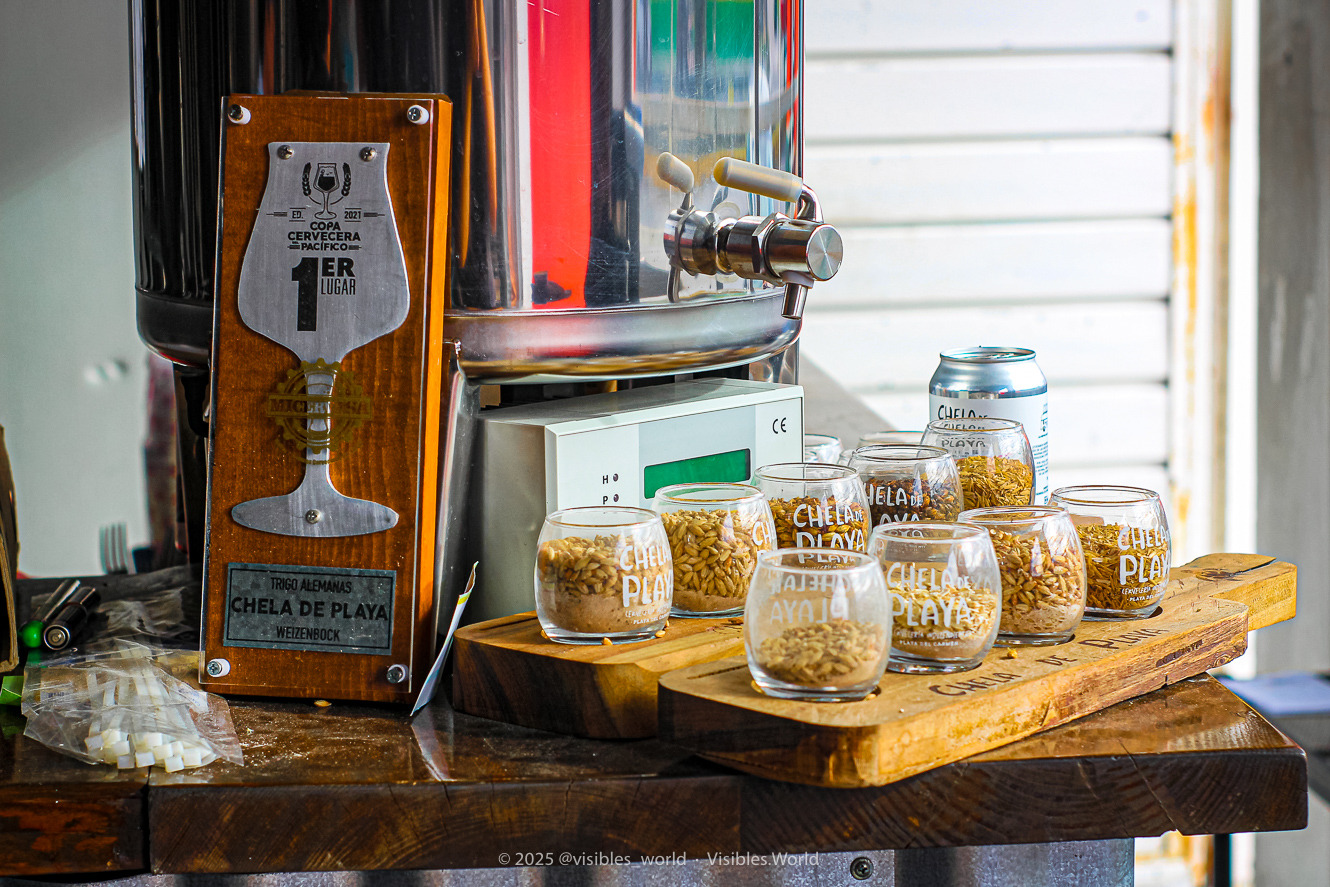
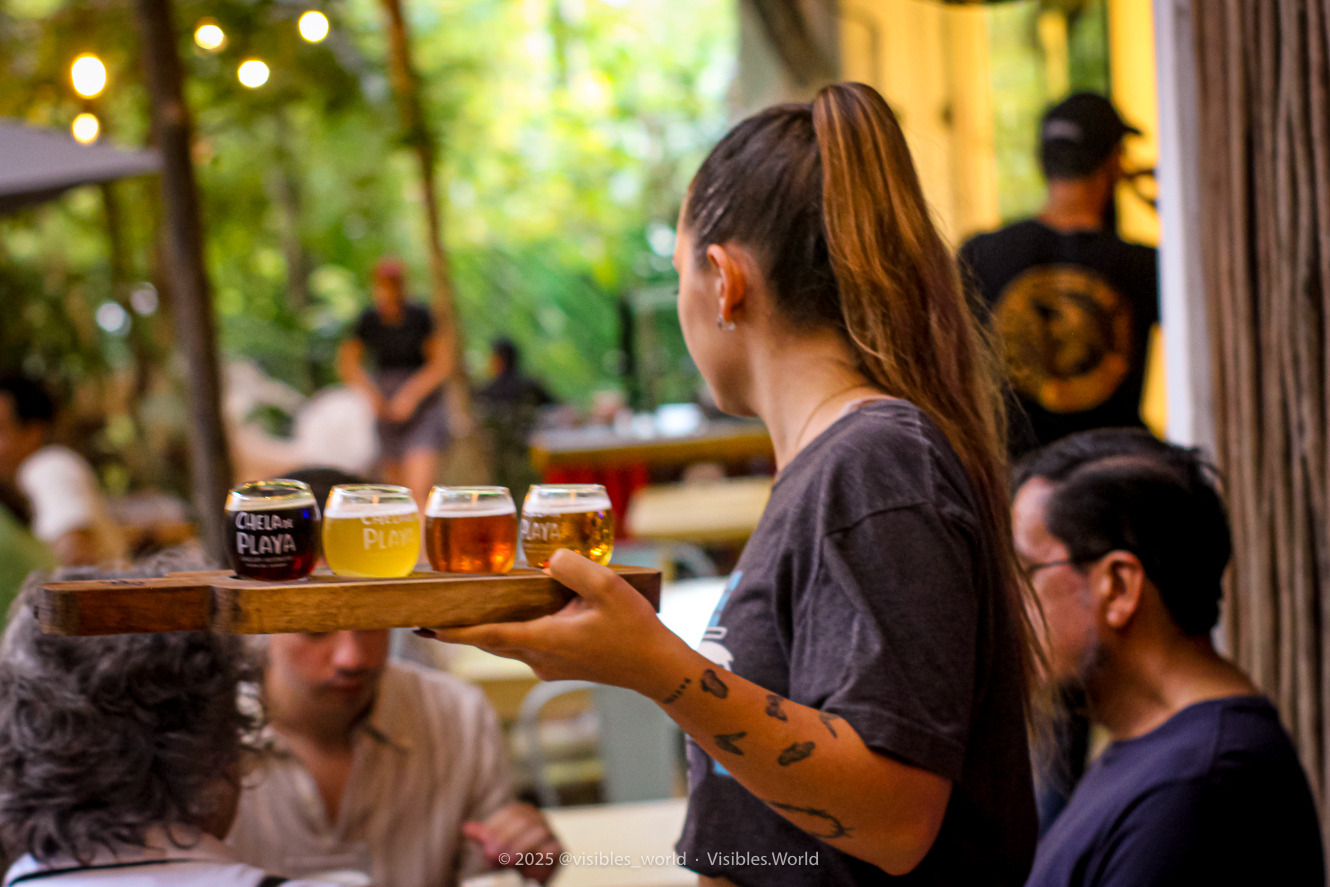
One of the most award-winning breweries in the Mexican Caribbean and internationally is Chela de Playa, where a passion for craft beer blends with the freshness of the Caribbean. “The freshest beer in the Caribbean is the most drinkable,” says the master brewer, highlighting the importance of “drinkability” (meaning you’ll want to have more than two or three). With a variety of styles, ranging from light, hoppy beers to more complex options, Chela de Playa Brewery offers a unique experience for beer lovers.
Cervecería Tulum
Located a short drive from Playa del Carmen, Cervecería Tulum is another must-visit destination. With beers that capture the essence of the region, this brewery has earned a place in the hearts of locals and tourists alike. The quality of its ingredients and commitment to craft brewing are evident in every sip.
Other Notable Breweries
- Cervecería Cancún: Known for its three light styles: pilsner, light lager, and American Pale Ale.
- Margaritaville: Although located in a hotel, its production is notable and widely recognized throughout Mexico for its Land Shark brand of very refreshing lagers.
- Cervecería Puerto Juárez: A garage brewery in Puerto Juárez, famous for its local styles and its focus on experimental beers.
The Impact of Tourism on Beer
Tourism in Playa del Carmen has had a significant impact on the local beer industry. As more visitors arrive in the region, the demand for craft beer has grown, driving breweries to innovate and expand their offerings. “People are looking for authentic experiences, and craft beer is part of that,” explains a local brewer.
Tourism and Beer Culture
Breweries have begun offering tours and tastings, allowing tourists not only to enjoy a good beer but also to learn about the brewing process. This approach has created a virtuous cycle where tourists contribute to the growth of the local beer culture, and in turn, breweries enrich the tourist experience.
Beer Culture in Mexico
Beer culture in Mexico is constantly evolving. From traditional beers to the most modern offerings, the country has seen a boom in craft production. “Every batch tells a story,” says one of the brewers, emphasizing the connection between beer and cultural identity.
Traditions and New Trends
- Traditions: Mexican beers have been influenced by diverse cultures throughout history, from pre-Hispanic times to the present day; as we mentioned earlier, pulque has been a very traditional fermented beverage in Central Mexico.
- New Trends: The incorporation of local ingredients and innovative flavors has led to the creation of unique beers that reflect the country’s diversity.
Collaborations and Brewing Communities
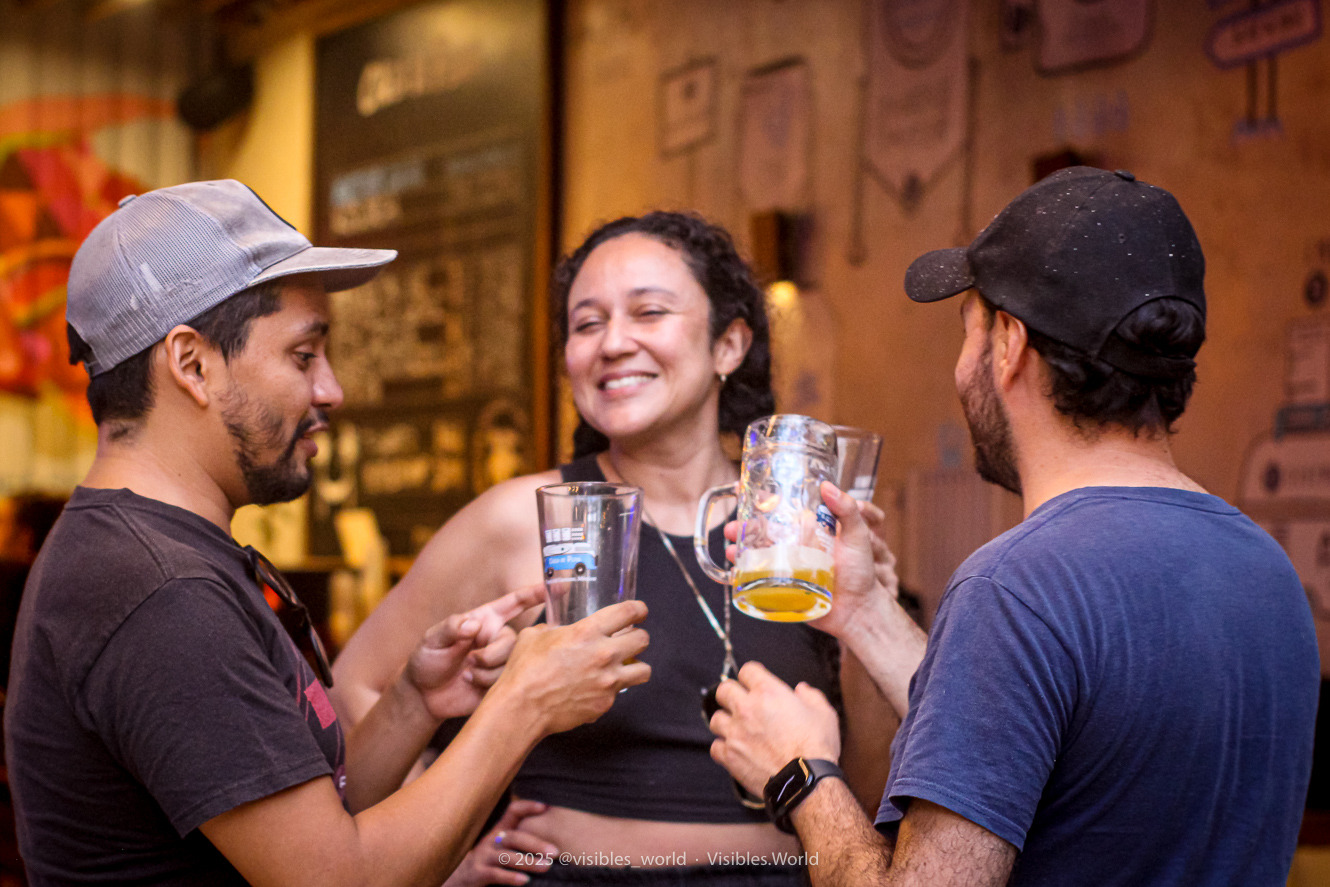
Collaboration among breweries is a fundamental aspect of the brewing culture in Playa del Carmen and beyond. Local brewers often gather to share knowledge, techniques, and, of course, beers. “The brewing community is like one big family,” says one of the brewers, highlighting the importance of cooperation in the industry.
Events and Festivals
Beer festivals are an excellent way to celebrate this culture. Events like the Beer Fair in Playa del Carmen attract breweries from across the region, creating a space where beer lovers can enjoy a wide variety of styles and flavors.
We thank Master Brewer Álex Cárdenas and the entire Chela de Playa team for their time and dedication.
Frequently Asked Questions
What types of beers can you find in Playa del Carmen?
In Playa del Carmen, you can find a wide range of beers, from light and refreshing lagers to dark porter-style options. Local breweries experiment with unique ingredients—though limited by the area’s hot climate—offering beers that reflect the essence of the Caribbean.
Is a reservation required for the Playa del Carmen beer tour?
We recommend making a reservation to secure your spot on both the Chela de Playa brewery tour and the Playa del Carmen beer walking tour, especially during the peak tourist season when demand can be high.
Can I buy craft beer to take home?
Yes, many breweries offer the option to buy beer to go. Some even have reusable containers that let you enjoy the beer at home.
Do the tours include tastings?
Yes, the Playa del Carmen Beer Walking Tour includes tastings of different beer styles, allowing participants to experience a variety of flavors and learn about the brewing process. The brewery offers two tour options where you can visit the facility with tastings for an additional fee.
Are there vegetarian or vegan options on the tours?
Breweries typically offer vegetarian and vegan options as part of their pairings. It’s recommended to check in advance to ensure they accommodate your dietary needs.
So, if you’re looking for a unique experience in Playa del Carmen, don’t hesitate to join the beer tour and immerse yourself in the fascinating world of craft beer, where every sip is a celebration of culture and flavor.