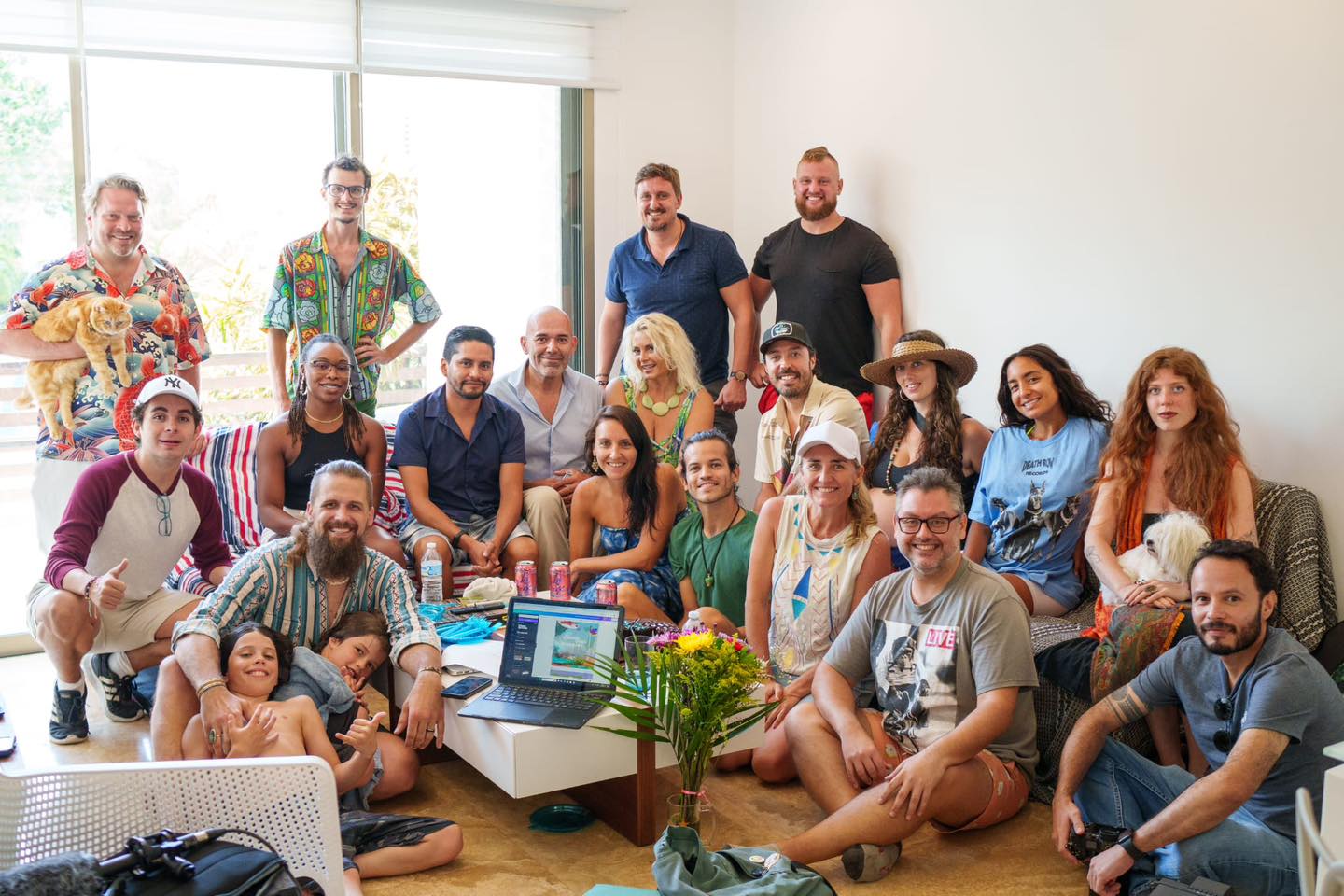
The digital nomad phenomenon has revolutionized the concept of work in the 21st century. But how does this trend influence local economies? In this article we explore the impact of digital nomads on the destinations they choose to live and work in, and how the economic structure of these places is being transformed.
Who Are Digital Nomads?
Digital nomads are those intrepid modern adventurers who have embraced labor freedom and geographical independence. Thanks to remote work and technological advances, these workers have turned any corner of the world into their personal office. Whether it is a cozy café in the heart of Barrio Italia in Santiago de Chile or a sunny beach in Bali, their office can adapt to their adventurous spirit and need to explore new horizons.
This digital lifestyle not only fosters flexibility and even innovative remote services of the most varied kinds, such as occupational astrology, but also celebrates cultural diversity and adaptability. Digital nomads are true citizens of the world, capable of working from anywhere without the ties of a fixed location. This trend has created a vibrant global community of digital nomads, where the exchange of ideas and experiences is as common as morning coffee.
"Technology has allowed us to work from anywhere in the world without losing connection with our responsibilities. One click, and there you are, in the meeting, even if you are thousands of kilometers away."
For many, the appeal of working online lies in the possibility of living while traveling and discovering new digital destinations. From coliving and coworking in cities like Lisbon and Buenos Aires, to digital nomad hotspots in Bangkok, a digital nomad's life is never boring. Moreover, with the rise of virtual offices and advanced digital tools, global connectivity is more accessible than ever.
Without a doubt, digital nomads are redefining the future of work, demonstrating that with a little planning and the right technology, one can maintain a work-life balance while exploring the world.
Economic Benefits for Local Communities
Digital nomads bring a significant economic boost wherever they arrive. Let us imagine a picturesque city, like Barrio Italia in Santiago de Chile, a place where culture and art meet at every corner. Here, digital nomads can be the catalyst for an economic renaissance.
First, there is the evident increase in consumption. These modern travelers, with their love for specialty coffee and unique gastronomic experiences, can become regular customers of local restaurants and cafés. According to an MBO Partners study, 11% of American workers define themselves as digital nomads, and their average spending can be considerably higher than that of other tourists, as they tend to stay longer at their destinations.
Additionally, these telework adventurers are not content with just any type of accommodation. They prefer stays that offer modern amenities, which drives demand for short-term rentals and boutique hotels. In terms of entertainment — from outdoor yoga classes to photography workshops — the presence of digital nomads can diversify local leisure offerings.
A significant change is the creation of innovative coworking spaces and the use of virtual offices. Digital nomads need spaces where they can connect their laptops, network and unleash their creativity. According to the Global Coworking Report 2020, more than 40,000 coworking spaces worldwide were expected by 2024 (Coworking Resources).
"Digital nomads bring a new dynamic to local economies, transforming not only the economic landscape but also the cultural one," comments Estefanía Gelroth of Workitfy, a club that brings together these digital globetrotters.
The benefits do not end there. The digital connectivity these nomads require can lead to improvements in local infrastructure, such as access to high-speed internet, thus benefiting the entire community. Ultimately, their presence can be the necessary boost for a community seeking to innovate and adapt to the future of work.
Challenges for Local Economies
Despite the multiple benefits that digital nomadism brings, its rise also presents significant challenges for local economies. A notable aspect is the impact on the real estate market. The massive arrival of digital nomads in certain regions can lead to increased rental demand, which inevitably raises prices. This, in turn, can destabilize local residents who face difficulties finding affordable housing.
For example, areas like Bali, Chiang Mai and Lisbon have experienced increases in real estate prices due to growing popularity among digital nomads. This situation causes a kind of "digital gentrification," where locals are displaced by a transient population that can afford higher prices. According to an AirDNA study, short-term rental rates in Lisbon increased by 20% in recent years, partly due to demand from remote workers.
Another challenge is cultural integration. Often, digital nomads can remain in a social bubble, limiting their interaction with the local community. This lack of cultural and social connection can restrict the positive economic impact they could provide in the long term. It is not just about spending money in cafés or coworking spaces, for example in Barrio Italia, Santiago de Chile, but about contributing to a more interconnected and sustainable economy.
"We live in an era of geographical independence, but we cannot forget that every step we take has an echo in the community around us."
Although these challenges are real, they are not insurmountable. The key is to foster open dialogue between digital nomads and local communities to find solutions that benefit both parties. Urban planning, inclusive housing policies, and cultural integration programs are essential to ensure that the impact of digital nomadism is positive and sustainable.
The Role of Connectivity and Infrastructure
Connectivity and infrastructure play a crucial role in attracting digital nomads. In a world where high-speed internet is as essential as the air we breathe, cities compete to attract these digital workers by investing in technological infrastructure. According to a Global Workplace Analytics study, 50% of the global workforce works remotely at least once a week. This means demand for robust infrastructure has never been higher.
What do digital nomads look for exactly in a destination?
- High-speed internet: It is the backbone of any attractive destination for working online.
- Well-equipped coworking spaces: They not only offer virtual offices but also a vibrant community. Explore our article about Barrio Italia in Santiago de Chile.
- Reliable remote technology: Digital tools and infrastructure must work perfectly.
Destinations that understand and value the importance of these features become genuine digital nomad hotspots. It is not just a matter of having a beautiful place, but ensuring that professionals can maintain their work freedom without interruptions.
Investing in quality infrastructure not only benefits digital nomads, but also boosts the local economy, creating a domino effect that positively impacts local businesses and services.
"The future of work is here, and it is digital. Adapting to it is not an option, it is an obligation." — Anonymous
Popular Destinations for Digital Nomads
In the last decade, destinations around the world have emerged as magnets for digital nomads, offering a perfect mix of connectivity, vibrant culture, and inspiring environments. Take Bali, for example — a paradise not only for surfers but also for digital workers. Here, relaxed vibes meet cutting-edge coworking spaces, while enjoying local coffee surrounded by lush tropical vegetation.
Then there is Lisbon, a city that has reinvented itself and now shines in the digital nomad map with its own light. With its cobblestone streets and charming architecture, Lisbon offers unparalleled work freedom thanks to its digital nomad visa policies and a growing ecosystem of startups and freelancers.
Mexico City and Playa del Carmen have also become epicenters of creativity and technology. With their vibrant cultural scene, it is no surprise that so many choose to work from here, enjoying tacos al pastor between virtual meetings. To this is added an innovative concept of conscious community — welcoming and always ready to collaborate.
These destinations not only enrich the experience of digital nomads but also contribute to local economies. Digital workers, by living while traveling, spend on accommodation, services and cultural experiences, injecting life and dynamism into the economies of these cities.
"The world is a book, and those who do not travel read only one page." — Saint Augustine
The Future of Work and Its Benefit to Local Economies
The future of work presents itself as a kaleidoscope of possibilities. Terms like "telework," "remote work," and "independent work" are now common, but how do these trends really benefit local economies? According to Statista, in 2021, approximately 30% of employees in the United States worked remotely. This trend shows no signs of slowing down and is driving communities to rethink their local economies.
For cities, adapting to this new dynamic is not just an option but a necessity. A small coastal town that, thanks to excellent high-speed internet connectivity, becomes a "hotspot" for digital nomads eager to enjoy sea views while working. This influx of "digital workers" can revitalize the local economy by increasing demand for services like cafés, coworking spaces, and leisure activities.
Of course, this transformation also brings challenges. The need for adequate infrastructure and local policies supporting this community's growth is crucial. However, the opportunities are vast for communities that embrace this evolution.
A successful adaptation example is Lisbon, which has become a popular destination for digital nomads thanks to its flexible visa policies and vibrant culture. As a result, the city has experienced a renaissance in its local economy, attracting investors and new tech companies.
Thus, as the future of work unfolds before us like a blank canvas, communities that embrace this evolution with an open mindset will be better positioned to take advantage of the opportunities that digital nomadism brings. As Albert Einstein once said, "Creativity is intelligence having fun."
Digital nomads are redefining the way we interact with our work and social environment. Their impact on local economies can be highly positive if the associated challenges are properly managed. Ultimately, balance and integration are key to maximizing the benefits of this fascinating global trend.